Spanish big game species offer some of the most exciting hunting opportunities in Europe. From the rugged peaks of the Pyrenees to the Mediterranean forests of Andalusia, Spain’s diverse landscapes are home to an impressive variety of trophy animals. Red deer, wild boar, roe deer, mouflon, Iberian ibex, fallow deer, and chamois each present unique challenges for hunters of all experience levels.
In this guide, we explore the main big game species in Spain, their habitats, behavior patterns, and the most effective hunting techniques. Whether you’re planning your first montería or you’re a seasoned hunter looking for new challenges, this overview will help you prepare for an unforgettable hunting experience.
Chamois – the king of high mountain hunting
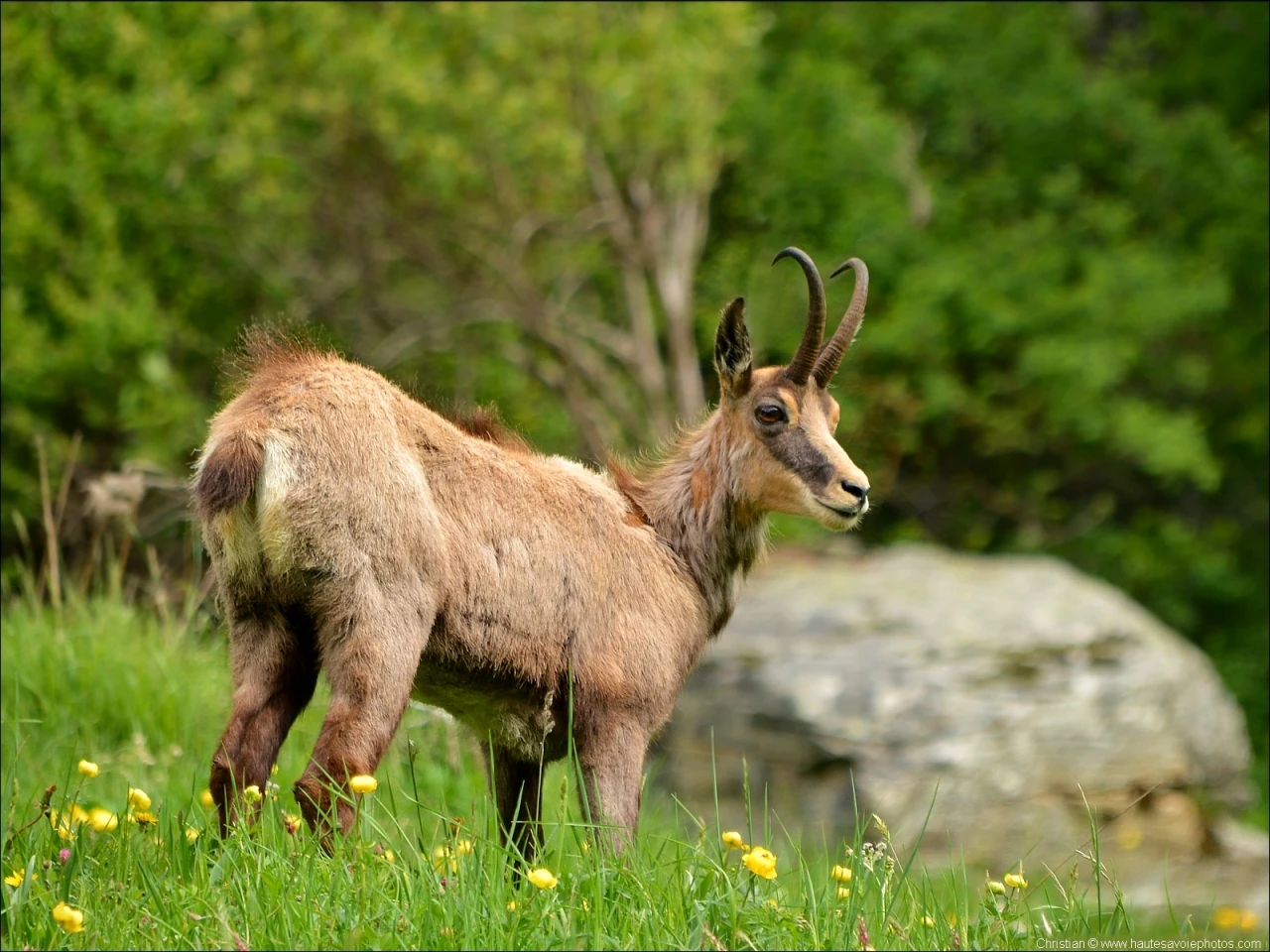
The chamois, known locally as rebeco, is one of Spain’s most challenging big game species. Found exclusively in the Pyrenees and Cantabrian Mountains, these agile animals inhabit steep, rocky slopes above the treeline. Their incredible eyesight and acute hearing make them extremely difficult to approach. Successful chamois hunting demands exceptional physical fitness, patience, and intimate knowledge of mountain terrain. Early morning and late evening hours offer the best opportunities for spotting these elusive creatures as they move to feed.
Mouflon – the curved horn trophy
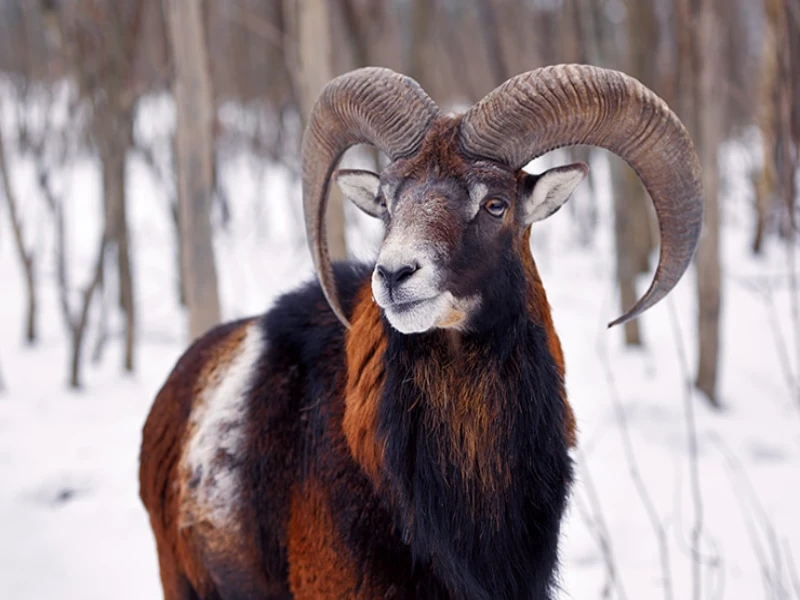
Mouflon populations thrive in Mediterranean forests and mountainous regions across Spain. Trophy hunters prize these wild sheep for their distinctive, heavily ringed curved horns. Ethical hunting requires careful observation of feeding patterns, watering holes, and escape routes. During winter, snow tracking becomes an effective technique for locating herds. Repeated observation sessions increase the chances of a clean, successful hunt. For additional resources, explore Iberia Hunting Resources.
Iberian ibex – the cliff master
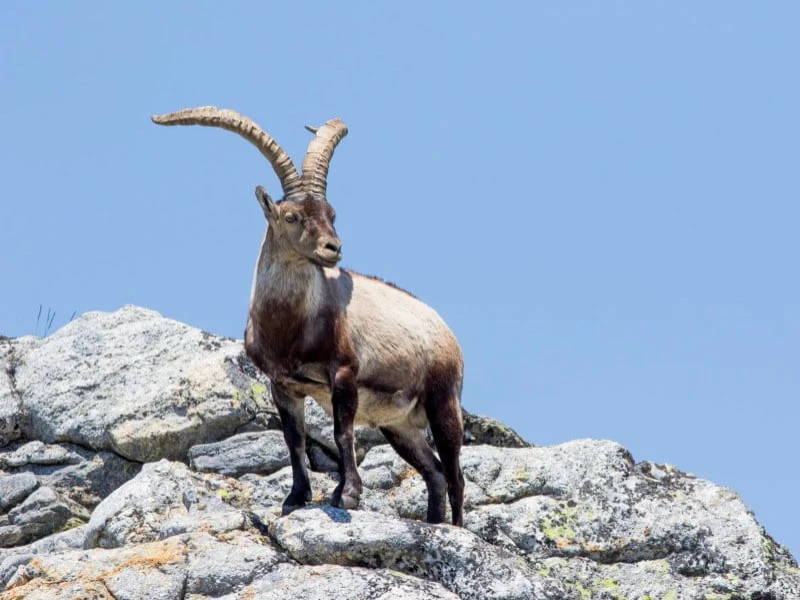
The Iberian ibex is a master of steep, rocky terrain. With four distinct subspecies across Spain – Gredos, Beceite, Southeastern, and Ronda – each offers unique hunting experiences. Mature males can develop horns exceeding one meter in length, making them highly coveted by trophy hunters. The autumn rutting season provides the best opportunities, as males become more active and easier to locate during this period.
Roe deer – the woodland ghost
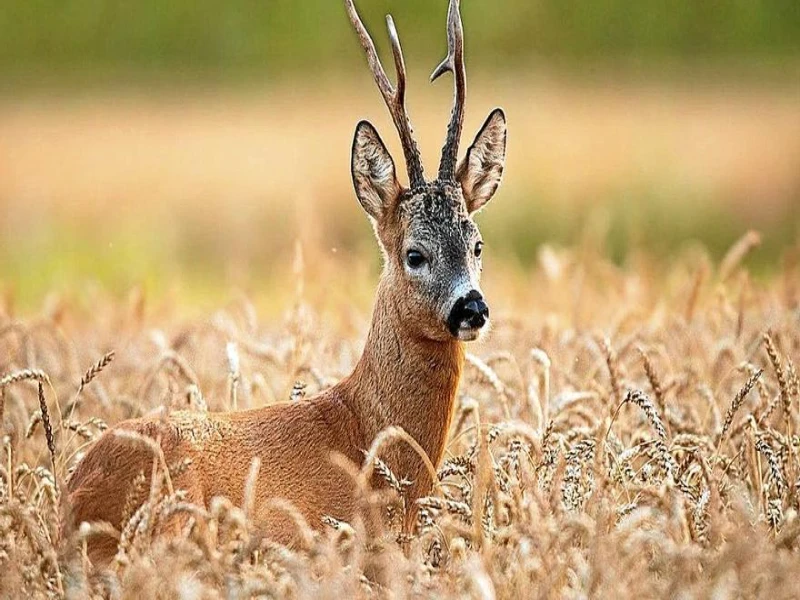
Roe deer are widespread throughout Spain, favoring farmland edges, scrubland, and open woodlands. Their cautious and elusive nature makes them a challenging species to hunt. Early morning and late evening stalks are most effective, as these are their peak feeding times. Observing fresh tracks and browsing signs helps predict movement patterns. For practical tips, visit European Roe Deer Hunting.
Red deer – Spain’s trophy stag
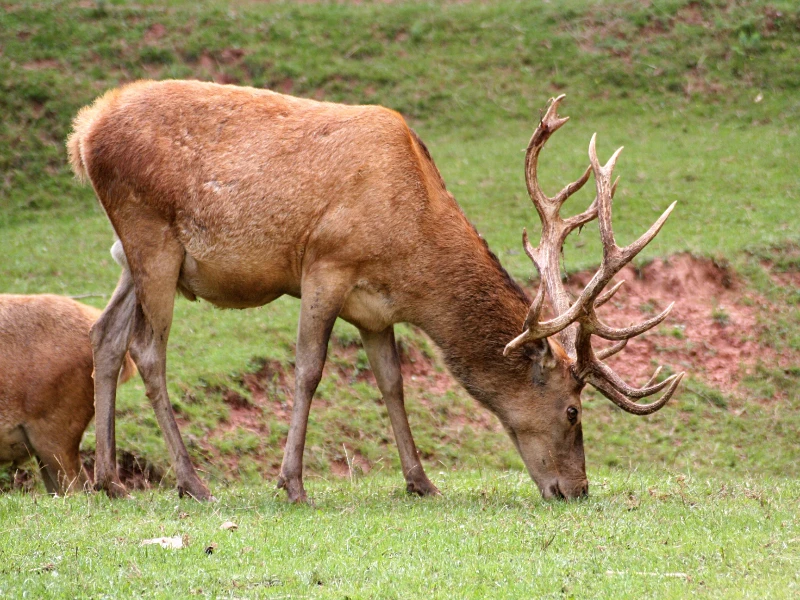
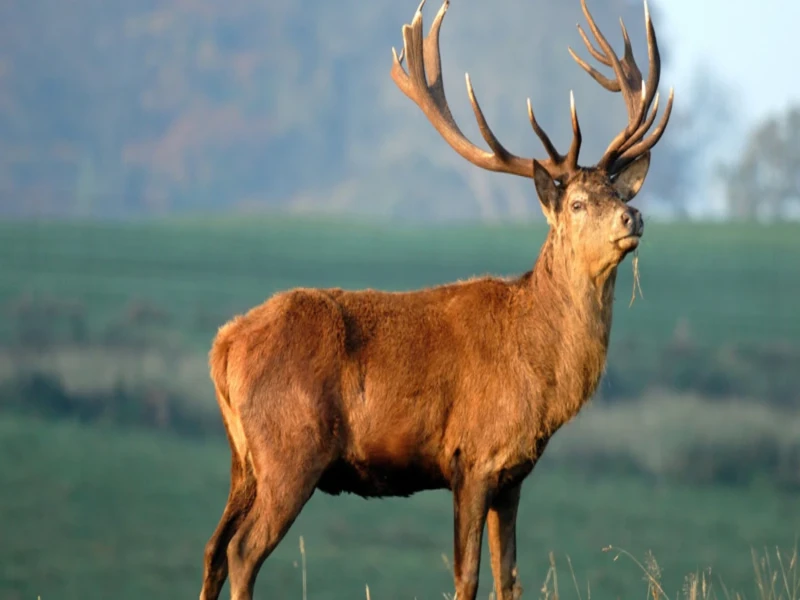
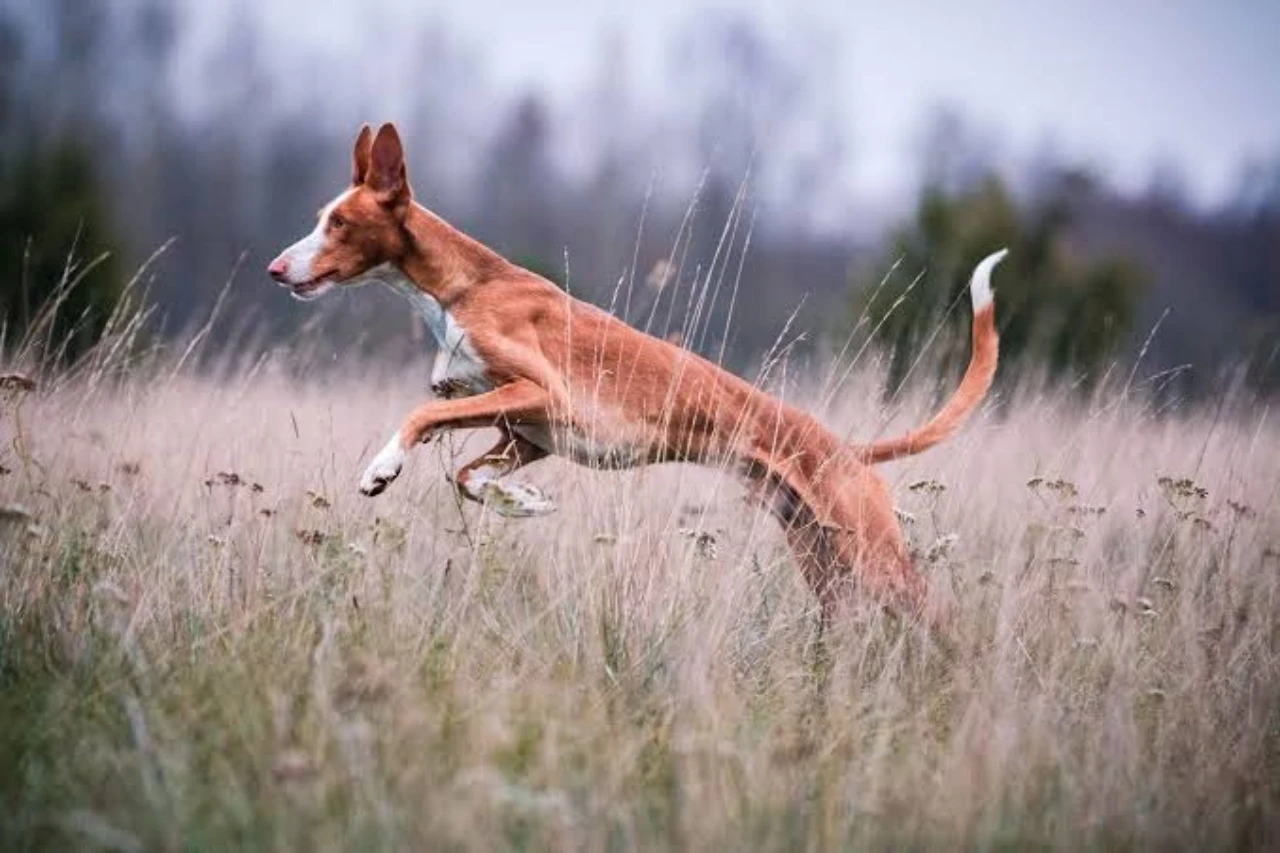
Red deer inhabit forests, river valleys, and mountain foothills throughout Spain. Mature stags are sought after for their majestic antlers. Traditional monterías (driven hunts) combine beaters and trained dog teams, offering an authentic Spanish hunting experience. The roaring season (berrea) in September and October is the prime time for stalking trophy stags. For more information, check our red deer hunting guide.
Wild boar – Spain’s most hunted big game
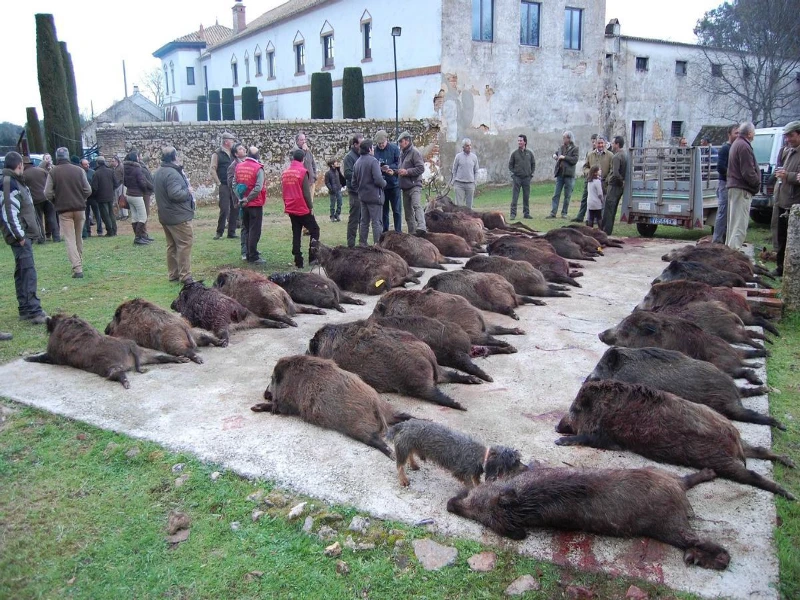
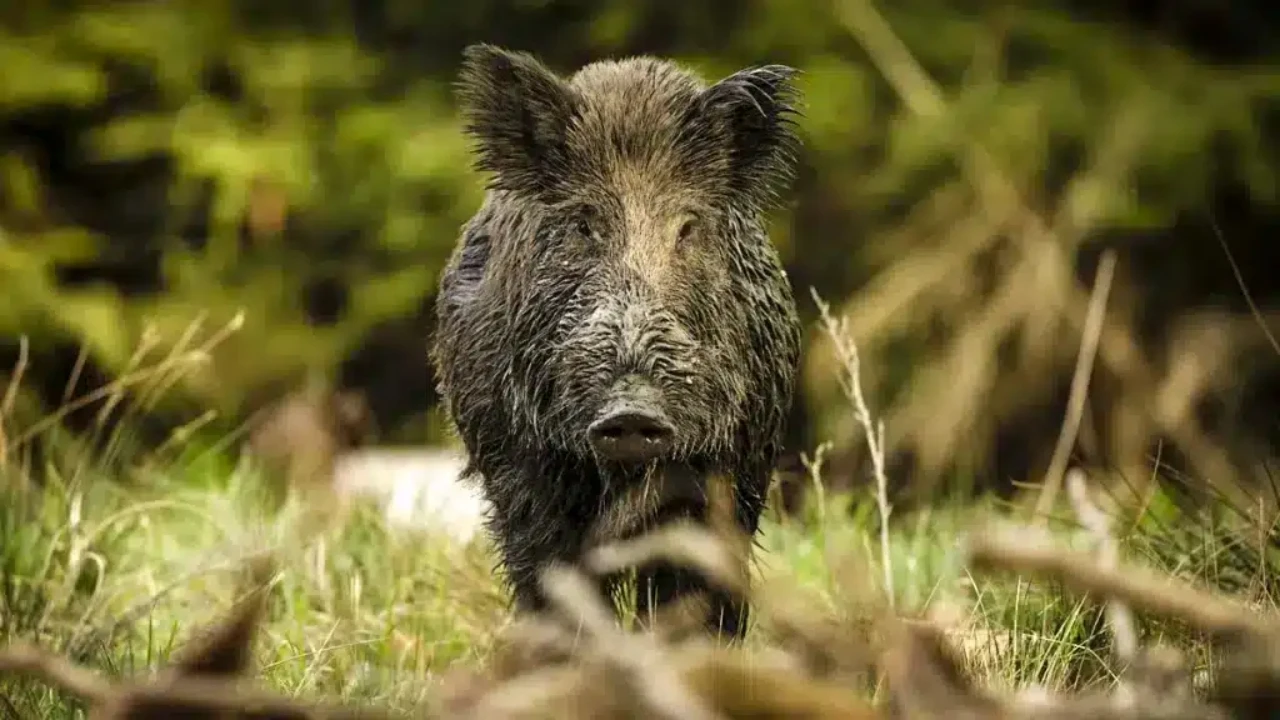
Wild boar are highly adaptable and intelligent animals found in forests, scrublands, and farmland edges. Hunters rely on knowledge of tracks, rooting signs, and water sources to locate them. Successful boar hunting requires coordination between dog handlers and shooters to ensure efficient and ethical outcomes. For detailed techniques, read our wild boar hunting guide.
Fallow deer – a versatile Spanish trophy
Fallow deer thrive in forests, open woodlands, and private estates across Spain. Their territorial behavior during the rutting season provides predictable hunting opportunities. Observing feeding patterns and rutting activity improves success rates. This species is an excellent choice for hunters seeking a classic deer hunting experience in Spain’s beautiful landscapes.
Ethics and safety in big game hunting
Responsible hunting is the foundation of sustainable wildlife management. Respecting hunting regulations, seasonal restrictions, and harvest quotas ensures the conservation of game populations for future generations. Safe firearm handling, understanding animal behavior, and following guide instructions are essential practices. Conservation-minded hunters contribute to habitat preservation and the long-term health of Spain’s wildlife populations.
FREQUENTLY ASKED QUESTIONS
Questions about Spanish Big Game Species
What are the main big game species in Spain?
Spain is home to an impressive variety of big game species. For instance, you can hunt wild boar, red deer, roe deer, fallow deer, Iberian ibex, mouflon, and chamois. In addition, each species inhabits specific regions and offers unique hunting experiences. We’ll help you choose the right species and location based on your preferences.
What is the most popular hunting method for big game in Spain?
Montería is the most traditional and widely used method for hunting red deer and wild boar. It involves beaters and dog teams driving the game toward waiting hunters. In addition, other methods include stalking (rececho), ambush hunting (espera), and small-scale driven hunts (batida and gancho). Consequently, we offer all these styles to match your preferences.
Which regions of Spain are best for big game hunting?
Key regions include Castilla y León, Andalucía, Aragón, Galicia, and Cataluña. Specifically, mountainous areas are ideal for species like ibex and chamois. Meanwhile, forests and Mediterranean woodlands are great for red deer and wild boar. As a result, we can recommend the best region based on your target species.
When is the best time of year for big game hunting in Spain?
The hunting season varies by species. For big game, monterías run from October to February. The roaring season (berrea) for red deer peaks in September and October. For mountain species like ibex and chamois, the season runs from September to May. Ultimately, we’ll advise you on the best dates for your preferred species.
What equipment is recommended for big game hunting in Spain?
Essential equipment includes binoculars or thermal/spotting scopes, proper camouflage clothing, and a reliable rifle or bow that complies with local laws. Additionally, knowledge of terrain and animal behavior is equally important. We provide expert guides who know the terrain and can advise on the best equipment for your hunt.