Wild boar hunting in Spain stands as one of Europe’s most significant big game traditions. This practice combines rural culture, wildlife management, and a profound understanding of animal behavior across Spain’s diverse landscapes. As a result, it attracts hunters from around the world.
Wild boar numbers have increased dramatically over recent decades. This population surge has transformed the species into both a conservation challenge and a hunting priority. Therefore, management strategies have gained considerable importance in many Spanish regions.
Why wild boar populations continue to rise
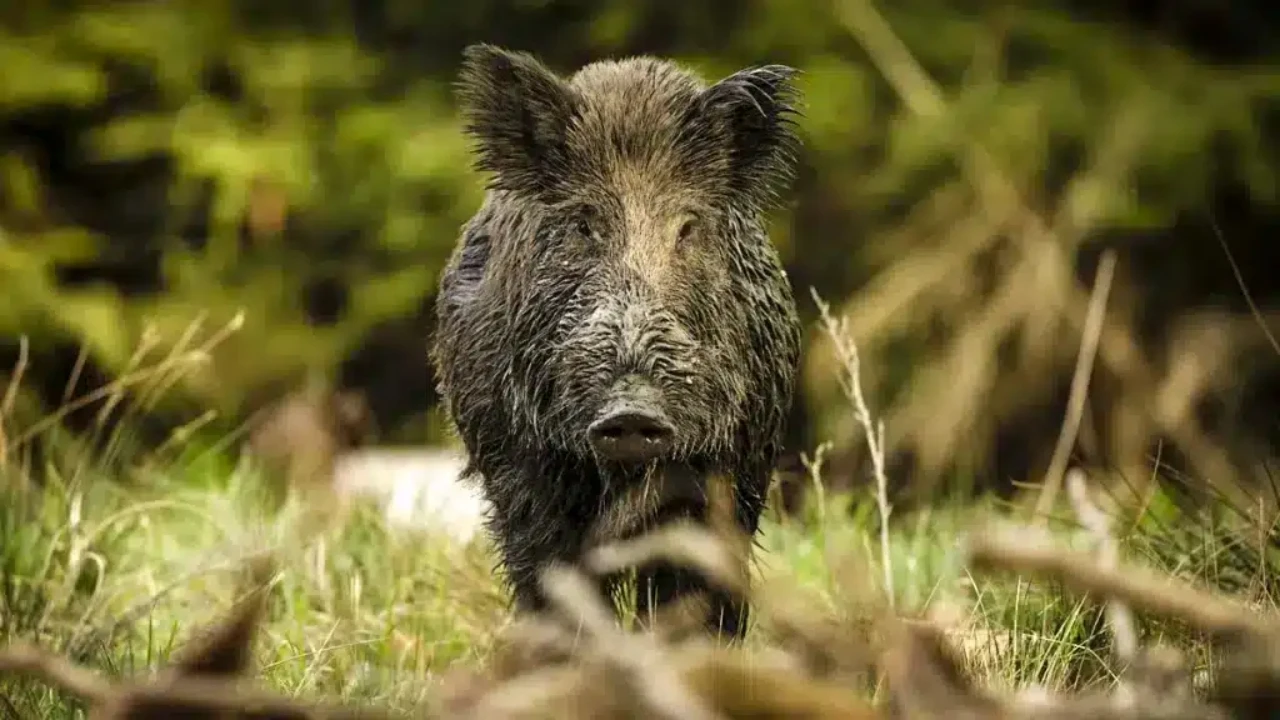
The species has thrived thanks to its remarkable adaptability. It survives effortlessly in forests, farmland, mountains, and even semi-urban environments. For instance, you can find wild boar in almost every corner of the Iberian Peninsula.
Rural land abandonment
One major factor driving this expansion is rural land abandonment. As agricultural activity declined in some areas, natural vegetation reclaimed the land. Consequently, this created ideal cover and feeding conditions for wild boar.
Decline of natural predators
In addition, the decline of natural predators has eased pressure on the ecosystem. Although wolves still exist in certain regions, they do not control populations at a national level. Hence, wild boar continue to thrive without natural checks.
As a result, wild boar now occupy almost the entire Iberian Peninsula.
Impact on agriculture and rural communities
Farmers across Spain regularly report significant crop damage caused by wild boar. Corn, vineyards, and olive groves are particularly vulnerable to these animals. Moreover, the damage often repeats throughout the year.
Agricultural damage
Animals dig into the soil searching for roots and insects, destroying large areas of cultivated land. In many cases, this results in substantial economic losses for farmers. Consequently, authorities consider population control an essential component of rural management.
Road safety concerns
Road safety has also become a growing concern. Collisions with wild boar occur frequently on rural roads, especially at night when animal movement increases. For this reason, many regions have implemented additional safety measures.
Montería: Spain’s most iconic hunting system
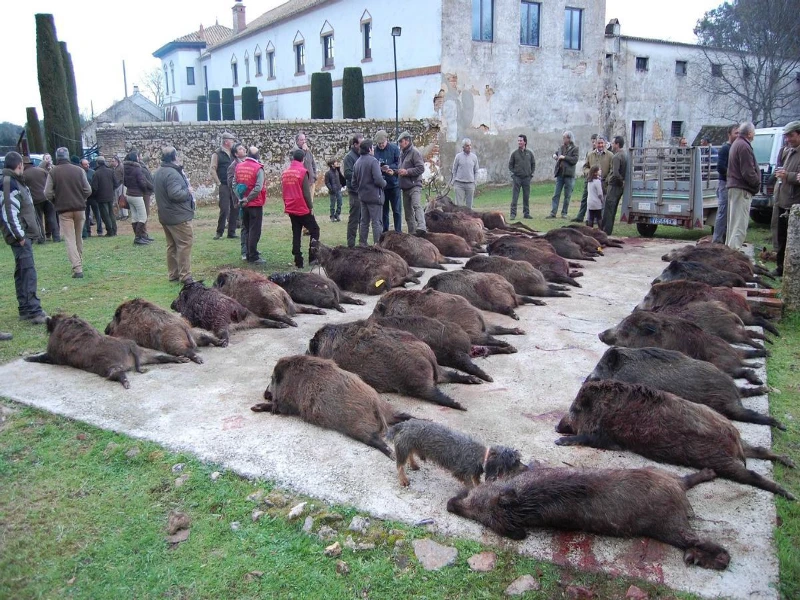
Montería is a driven hunting method deeply rooted in Spanish tradition. This system brings together hunters, dogs, and terrain in a coordinated effort. Ultimately, the goal is to move animals through specific routes.
Organizing the hunting day
The activity begins early in the morning. Organizers assign each participant to a fixed position known as a “puesto”. These positions depend on terrain shape, wind direction, and expected animal movement.
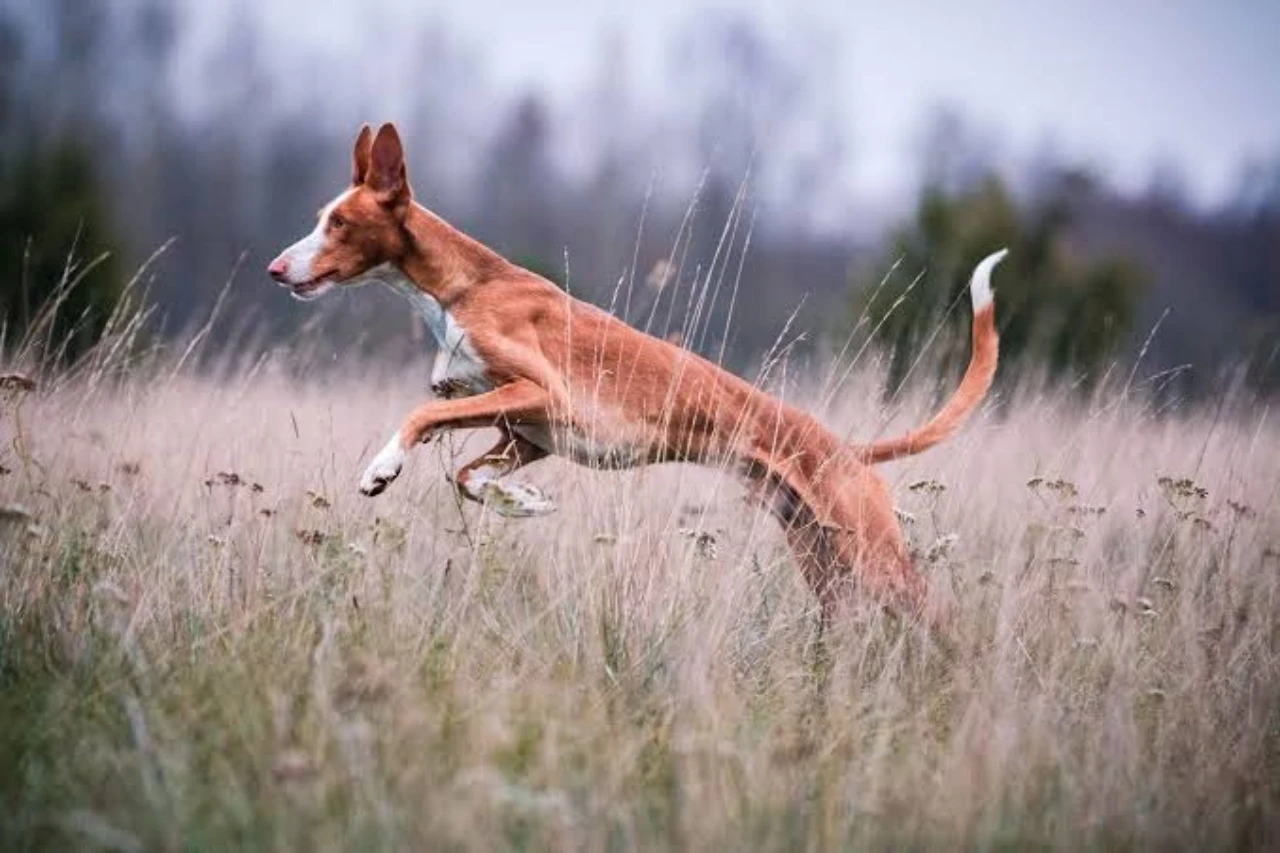
Once hunters are in place, dog handlers release trained packs into the hunting area. These dogs track scent and move through dense vegetation searching for wild boar. Meanwhile, hunters remain alert and ready.
How the hunt unfolds
When dogs locate animals, they push them toward natural escape routes. Wild boar react swiftly and move through the terrain at high speed. Consequently, the action unfolds unpredictably and requires quick decision-making.
Hunters must remain alert at all times. Timing and visibility often determine the outcome of each opportunity. Furthermore, weather, terrain, and animal density influence every montería differently, making each experience unique.
Additional hunting methods in Spain
Although montería dominates big game hunting, several other methods play important roles in population control. These methods offer different approaches depending on the terrain and objectives.
Batida hunting
Batida is a smaller driven hunt with fewer participants. This method focuses on specific areas where local population control is needed. As a result, it proves effective for targeted management.
Gancho hunting
Gancho represents a medium-scale driven hunt. It combines flexibility with coordinated dog movement and structured shooting positions. Therefore, it serves as a versatile option for many hunting scenarios.
Espera hunting
Espera takes place at night and requires hunters to remain stationary near feeding areas or travel routes. Patience plays a key role in this method. In addition, movement often appears suddenly, so observation and timing are essential skills.
Rececho hunting
Rececho involves tracking individual animals across vast terrain. Hunters follow signs such as footprints, soil marks, and feeding areas. Physical endurance and environmental awareness are crucial for success in this method.
Wild boar behavior and adaptation
Survival instincts
Wild boar rely heavily on smell and hearing to detect danger. These senses allow them to avoid threats long before direct contact occurs. For example, they can detect human scent from considerable distances.
Daily activity patterns
The species is mainly nocturnal in most regions. During the day, animals rest in dense vegetation where they remain hidden and protected. Consequently, hunters must adapt their strategies to these patterns.
Adaptation to hunting pressure
In heavily hunted areas, behavior changes significantly. Animals become more cautious and adjust their movement routes to avoid predictable patterns. This adaptability explains why wild boar continue expanding across Spain despite hunting pressure.
Key hunting regions in Spain
Wild boar are present throughout the country, although some regions offer better habitat conditions and higher densities. Therefore, hunters should choose their destination carefully.
- Castilla y León: large forests and mountain terrain
- Andalucía: diverse ecosystems with strong populations
- Cataluña: regulated hunting zones and active management
- Galicia: humid forests and dense vegetation
These regions provide food, shelter, and water, which support stable populations throughout the year. As a result, they remain popular destinations for hunters.
Safety and responsible hunting practices
Safety remains essential in all hunting activities. During driven hunts, organizers carefully assign positions to avoid risk situations. Communication between participants helps maintain control during fast and unpredictable movements.
Responsible hunting also supports ecosystem balance. It reduces agricultural damage and helps regulate population growth in rural environments. For this reason, it plays a vital role in conservation efforts.
FREQUENTLY ASKED QUESTIONS
Questions about Wild Boar Hunting
Why are wild boars so common in Spain?
Wild boars have increased massively in Spain over the last decades. For example, they are extremely adaptable animals and can live in almost any environment. In fact, they thrive in forests, mountains, farmland, and even areas close to villages or cities.
What is a montería?
A montería is the most traditional and well-known form of hunting wild boar in Spain. Specifically, it is a driven hunt where groups of hunters are placed in fixed positions called “puestos”. Meanwhile, teams of trained dogs move through the forest pushing the animals forward.
Is wild boar hunting dangerous?
Yes, it can be. Wild boars are powerful and unpredictable animals, especially when they are wounded or feel trapped. In addition, they have strong tusks and can react aggressively if they feel threatened. As a result, safety measures are essential during any hunt.
When is the hunting season in Spain?
The wild boar hunting season in Spain usually runs from October to February. Consequently, this covers the colder months when animals are more active and easier to manage. Therefore, it is the ideal time for hunting.
Where are wild boars found in Spain?
Wild boars are found throughout Spain. For example, some of the main regions include Castilla y León, Andalucía, Cataluña, and Galicia. These areas offer the perfect combination of food, cover, and terrain for wild boars to thrive.